
More Than a Stay: Biophilic & Sensory Design in Hospitality
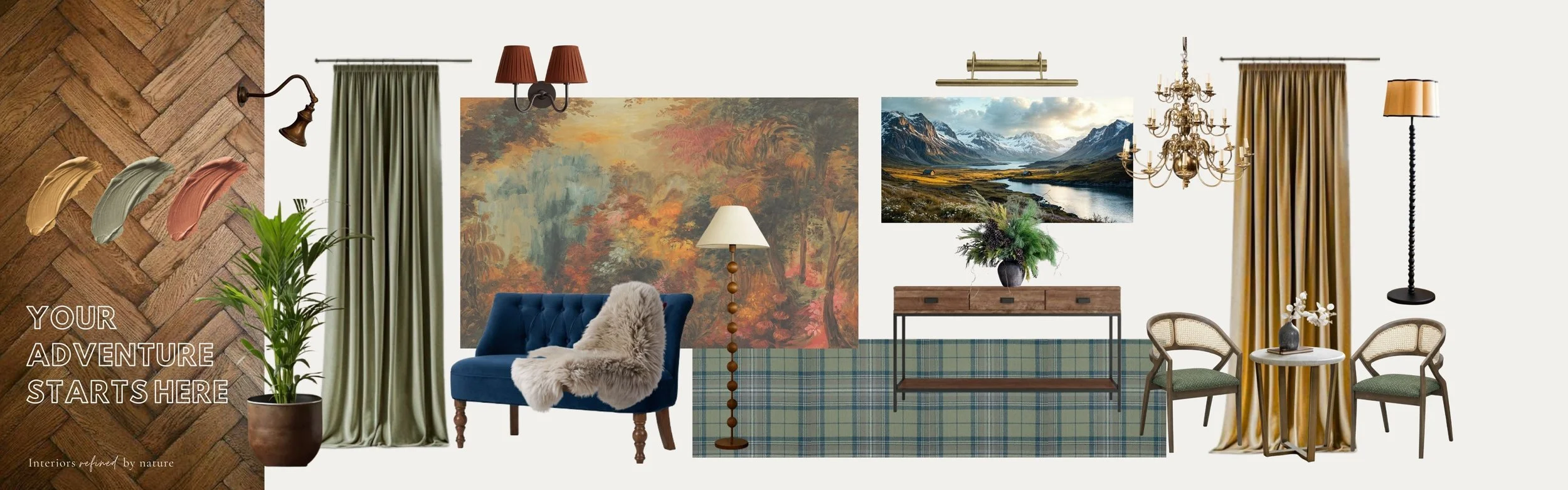
When client and designer are aligned, projects like this lead the way in hospitality design and reinforce something important.
Design is always going to be about aesthetics but we wanted to be different. We wanted a hotel where every guest knows, often without realising it, that their needs have been anticipated. That every room is working in their favour, they are being put at the forefront of every thought and, more importantly, offered surroundings that are always a step ahead of their needs.
In hospitality, this is a big shift because you are designing not just for one person, but for many, each arriving with different needs, expectations, and energy.
Welcome to Dolsearu Hall, Eryri National Park, Southern Snowdonia
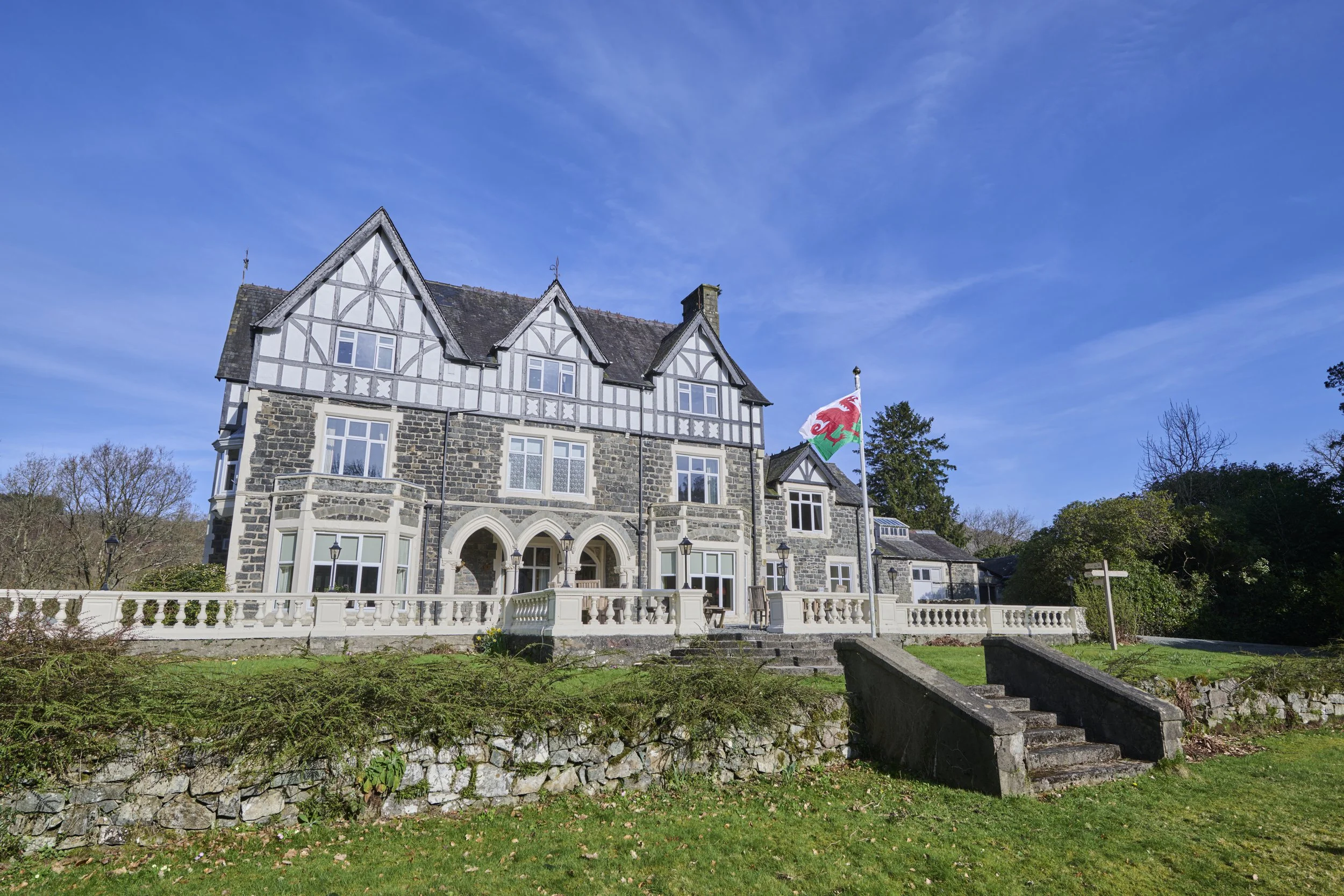
Some places introduce themselves before you’ve even stepped inside.
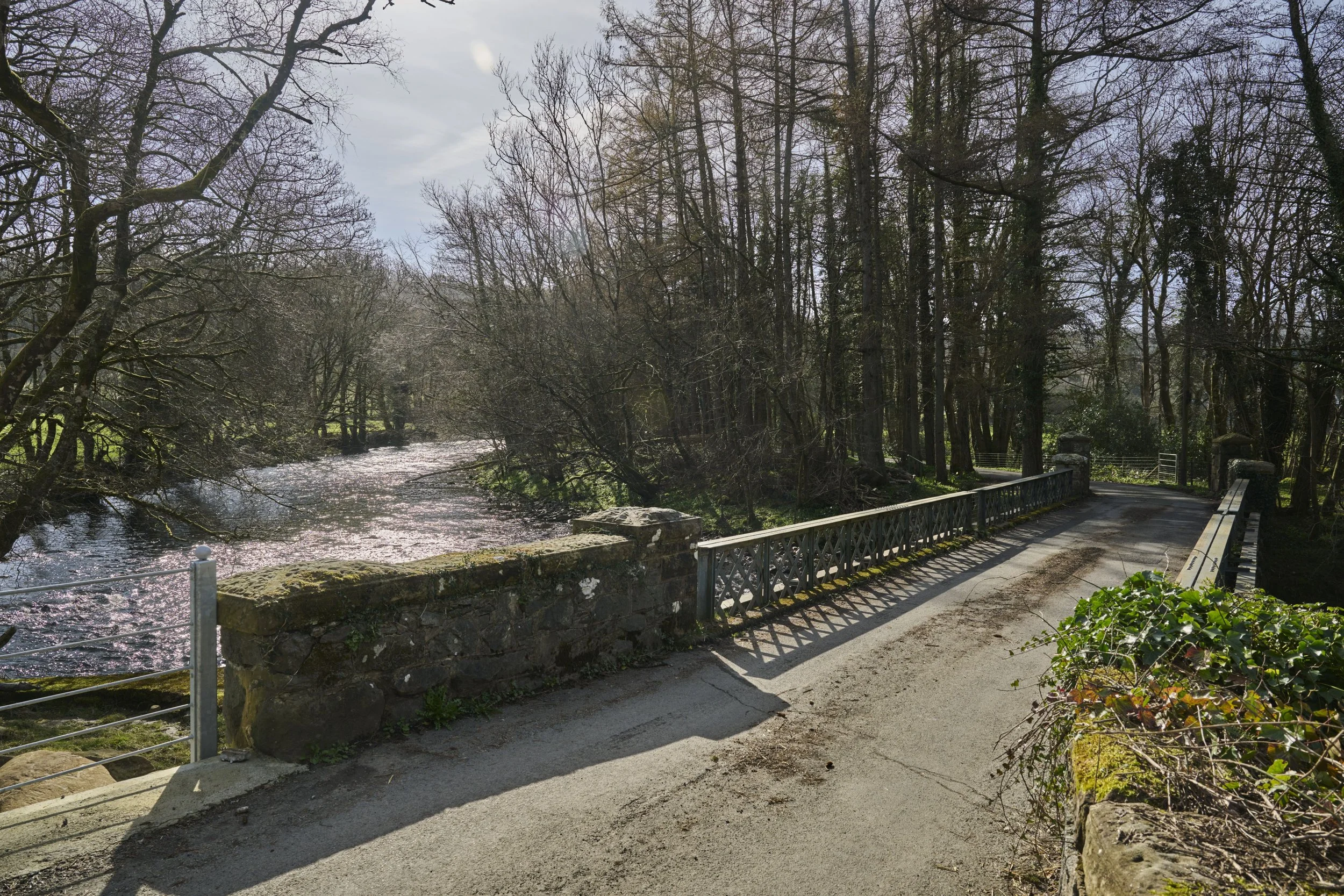
Approaching Dolserau Hall, the first wow moment comes as you cross the bridge and suddenly every sense in your body is turned up a notch. The landscape of Southern Snowdonia opens, and you might be greeted by an owl calling from somewhere unseen, wild horses grazing across the field, or sheep and lambs resting in the sun. You are also likely to see squirrels darting between trees and disappearing into hidden pockets of woodland.
This is the perfect atmosphere for a walking holiday hosted by HF Holidays.
And it was this energy that made one thing immediately clear. This project is now about bringing this intuitive, almost instinctive landscape experience indoors.
The Brief — Designing for Community, Connection, Belonging
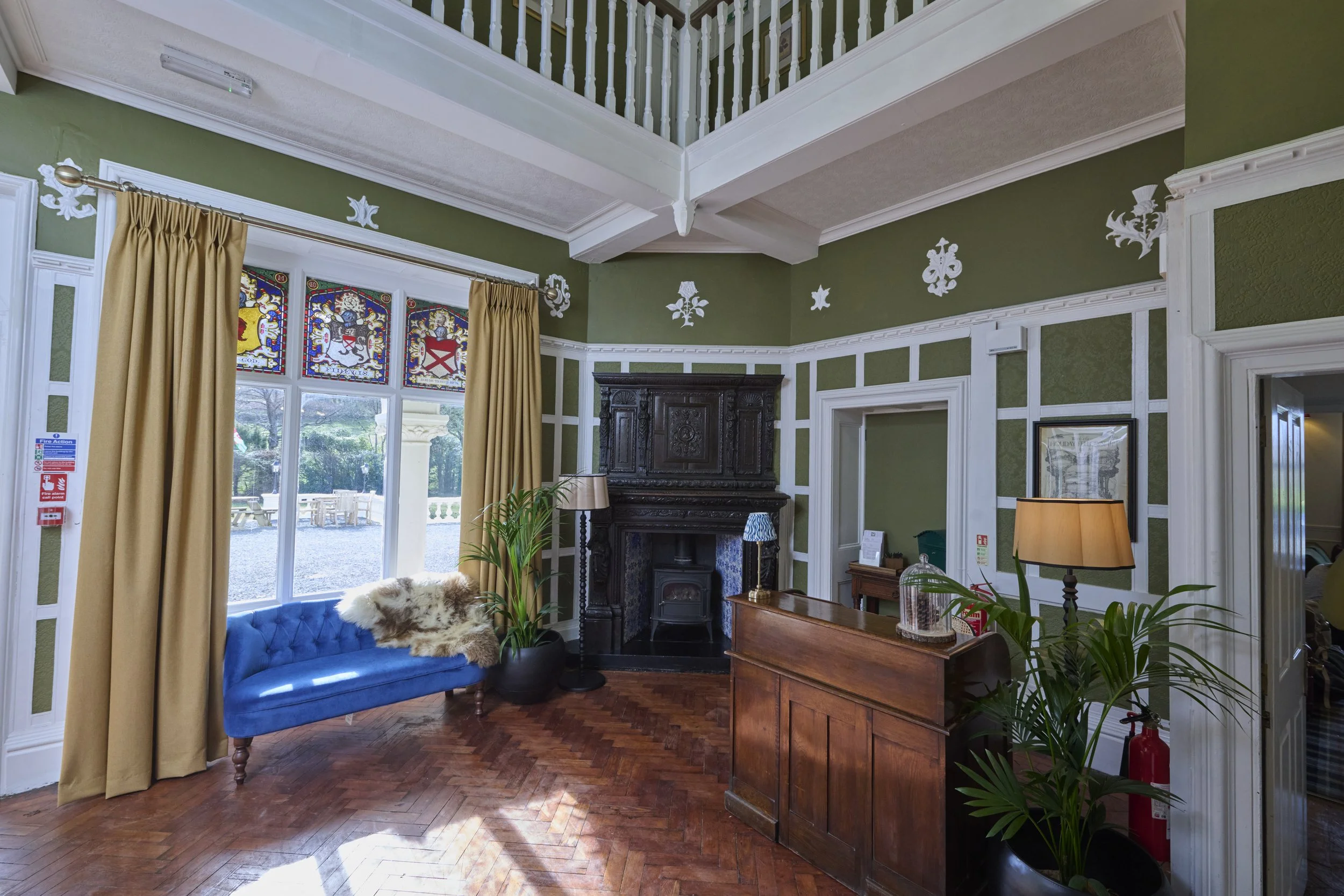
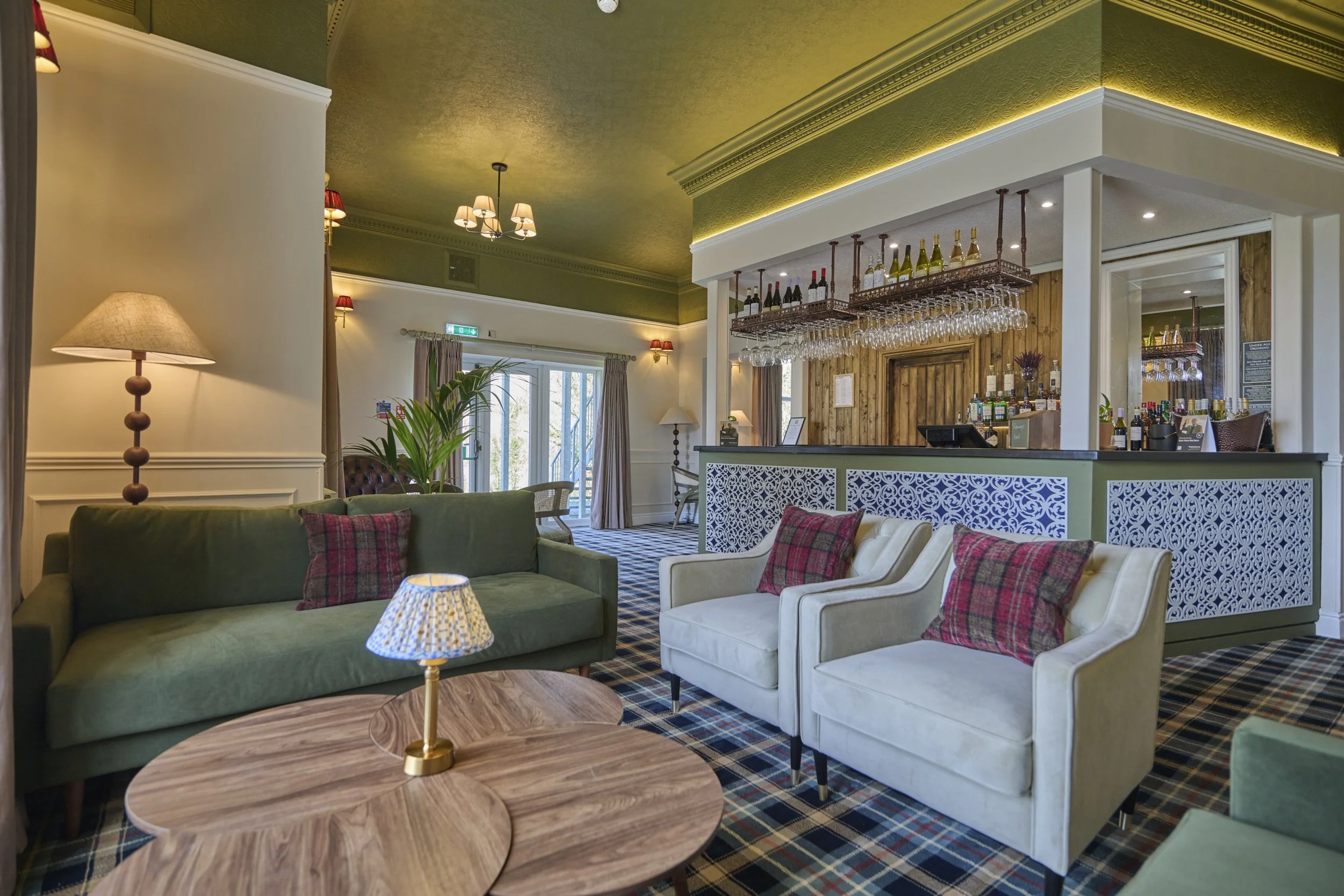
The client’s brief was deceptively simple: Community. Connection. Belonging. Not just a refurbished hotel, but a place where people could gather, rest, and feel part of a community, whether for a weekend or a longer stay.
This brief raised an important question: How do you design interiors that genuinely support natural, intuitive human connection?
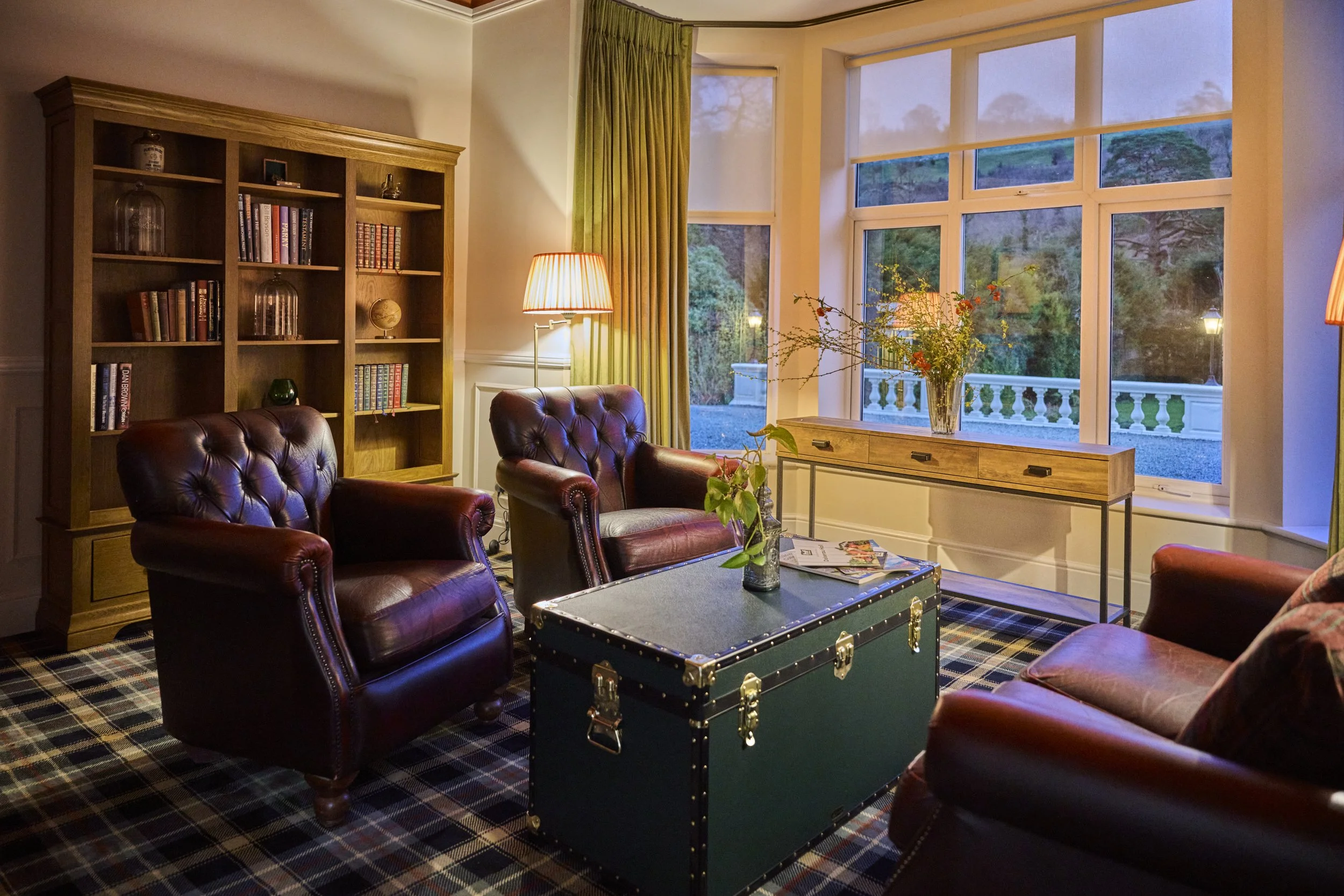
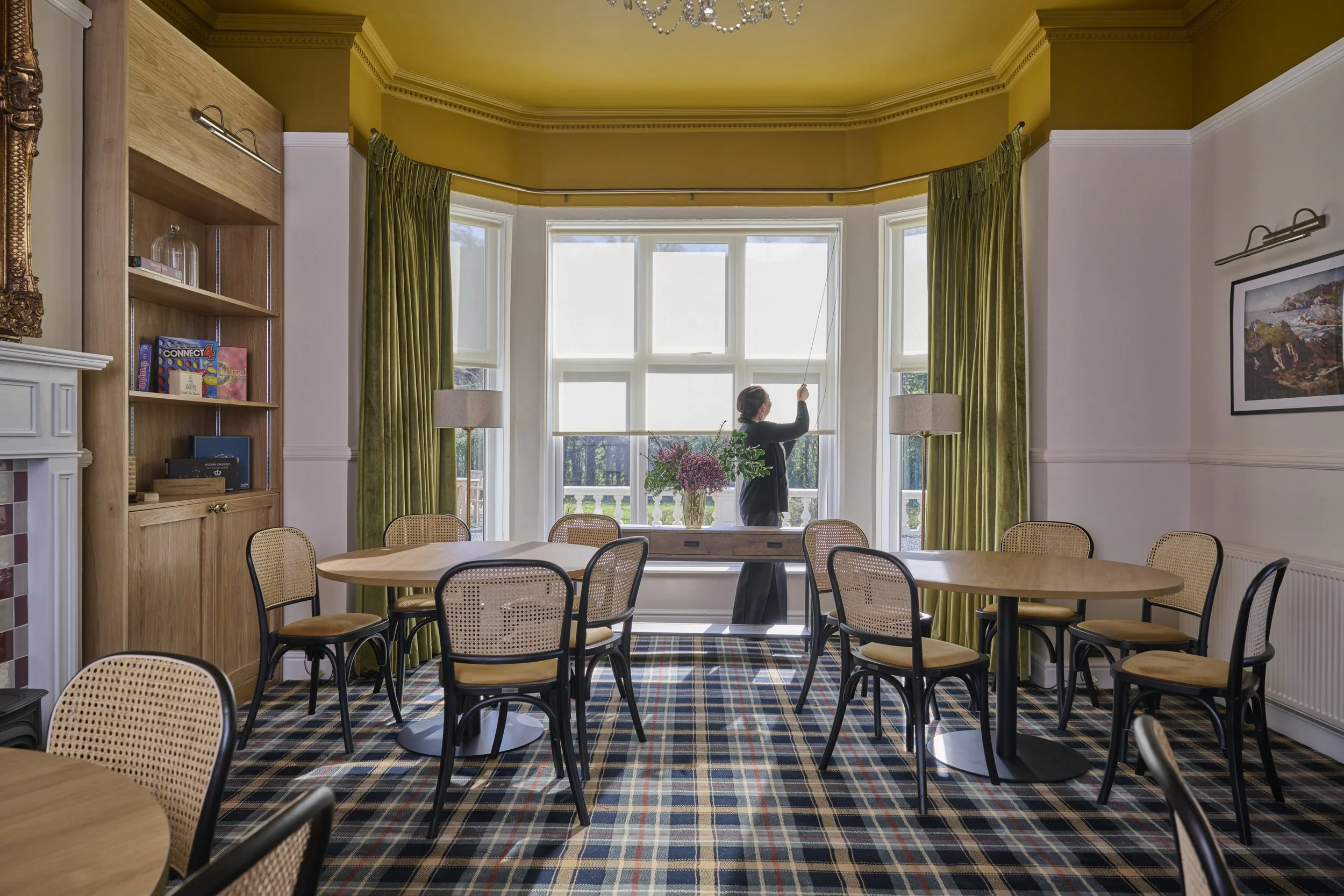
Biophilic Design in Practice
Dolserau Hall has stood here since 1863.
It carries confidence and is deeply rooted in its spectacular surroundings. Respecting the building, its history, and the landscape was a given. The intention became to support its next chapter without overwriting its Victorian glamour past.
From this understanding, the FROM THE FOREST FLOOR TO TREE CANOPY concept emerged.
A layered approach to nature applied through experience.
Biophilic design in this project became less about visual reference and more about environmental response. Nature was treated as a regulating force and I wanted nature to seamlessly seep in through every door and every window. But one of the most important considerations in this project was something less visible:
Sensory Awareness — Designing for Difference
Not everyone experiences space in the same way.
One of the most important considerations in this project sits just beneath the surface. Throughout the day, guests move between the stimulation of the outdoors and the need for rest, reflection, and connection.
This is where design needs to respond.
Social spaces within the Hall were considered to provide a welcoming and engaging feel without becoming overwhelming. At the same time, quieter areas allow the body and mind to settle, offering a time-out after time spent in the beautiful landscape.
Because when both are considered in balance, guests are more able to relax, reconnect, and fully enjoy their time together.
Balancing Complexity & Order — The Invisible Framework
Across the social areas of the hotel, you will notice a careful balance between:
Complexity — richness, texture, layers
Order — clarity, legibility, ease
The goal was to create environments that feel rich but authentic. Where there is enough detail to engage the eye, but enough structure to feel calm and intuitive. This is my favorite Biophilic principle to apply in both residential and commercial settings.
Too much stimulation can overwhelm.
Too little can feel underwhelming.
But when the balance is right, a space feels natural. Effortless. And deeply comfortable.
What this project reinforces is something I return to time and time again:
Design is not just about how a space looks, it’s about how it supports the people within it.
At Dolserau Hall, the interiors are designed to be one step ahead of the guest — quietly anticipating needs, encouraging moments of connection, and allowing both people and place to be experienced more fully.
Under the watchful presence of its landscape, this is now more than a destination.
It is a place to arrive, to rest, and to belong.
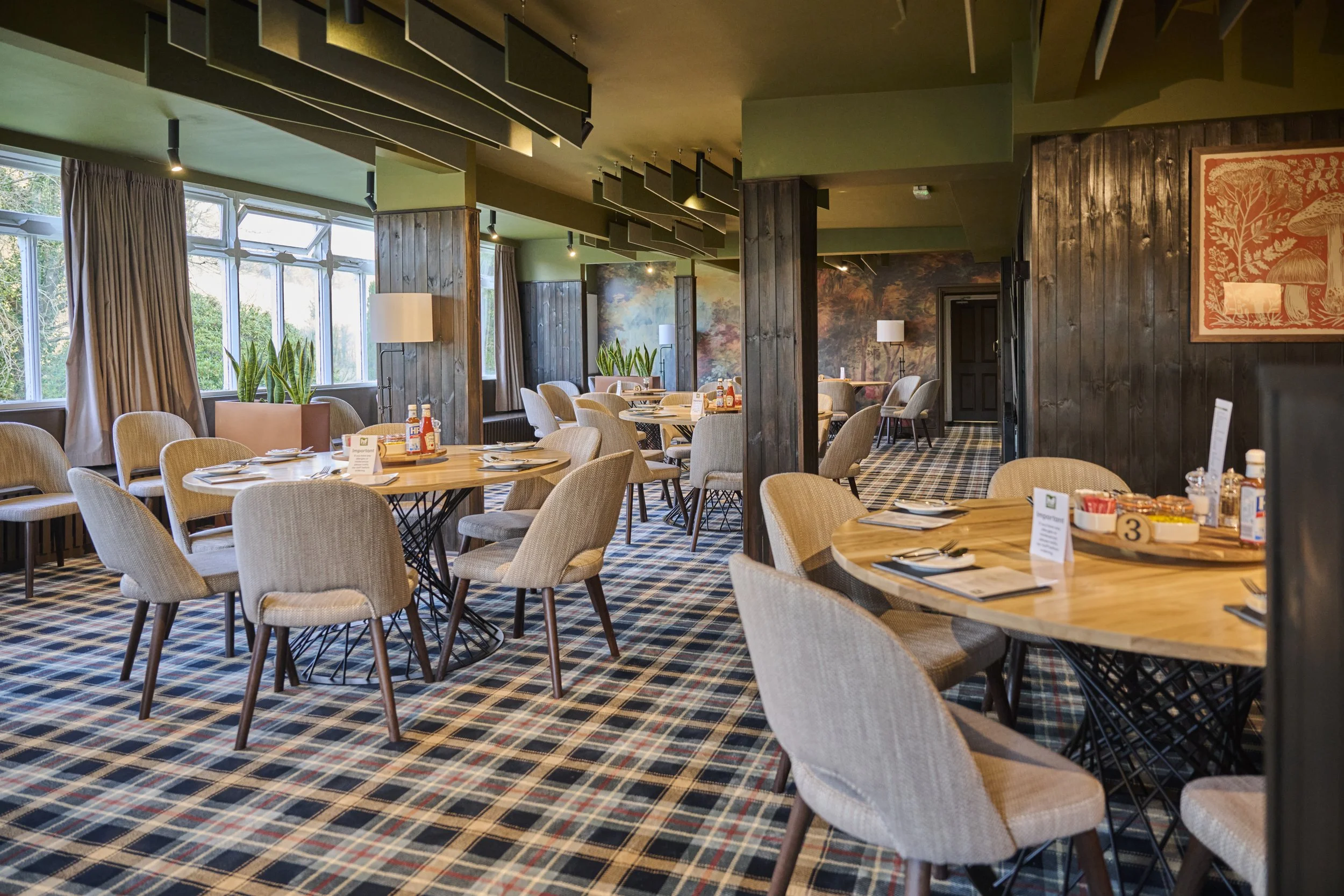
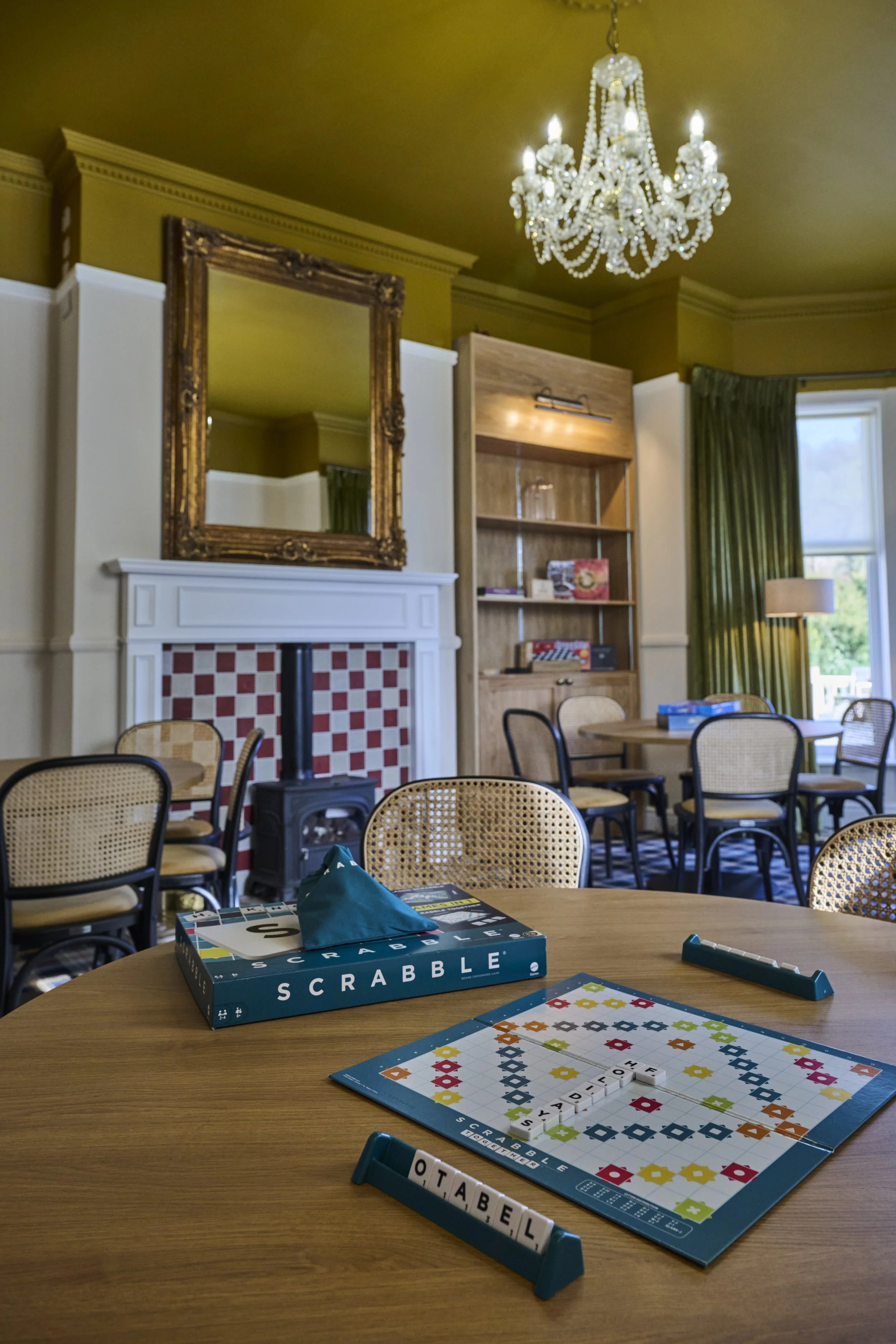
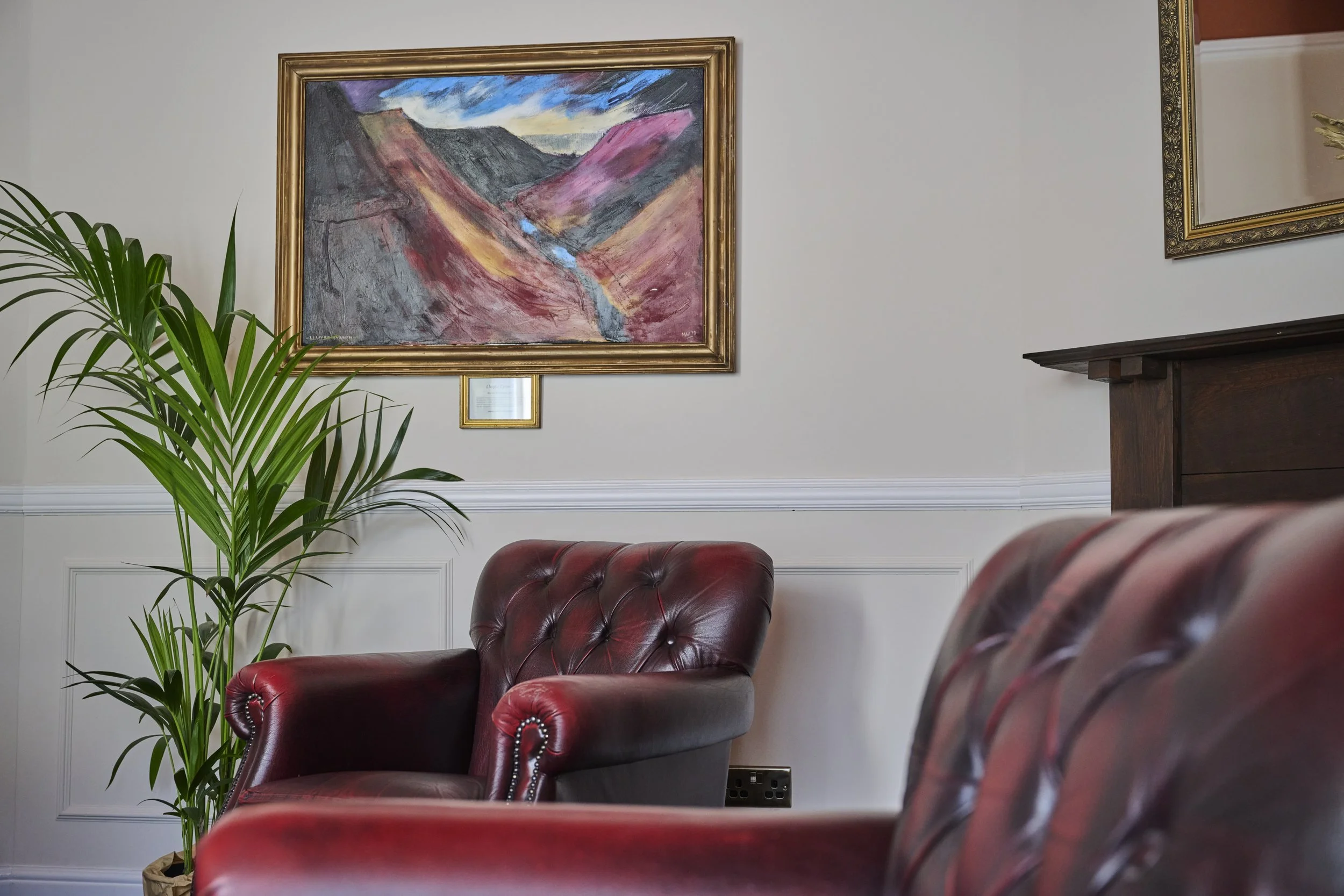
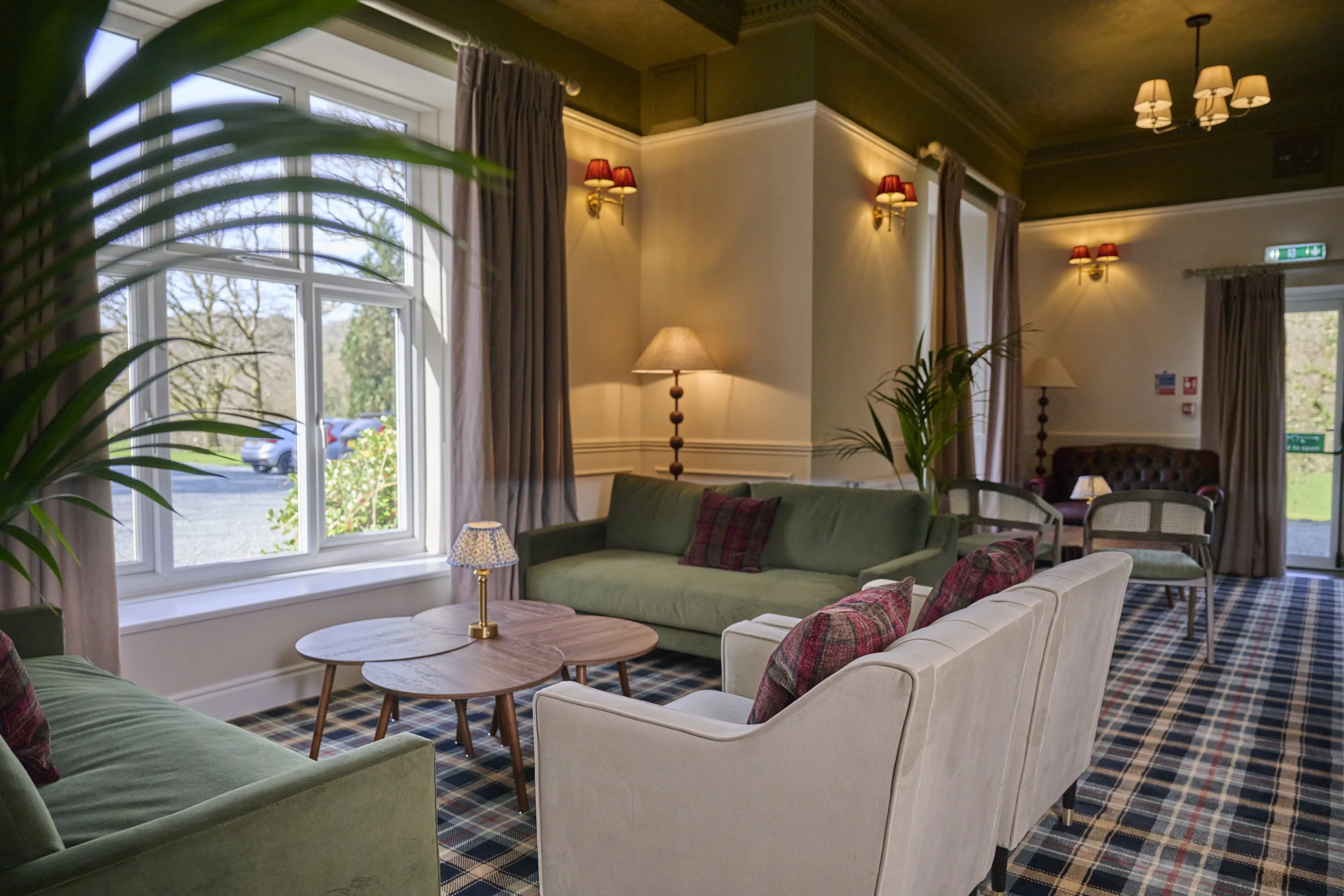
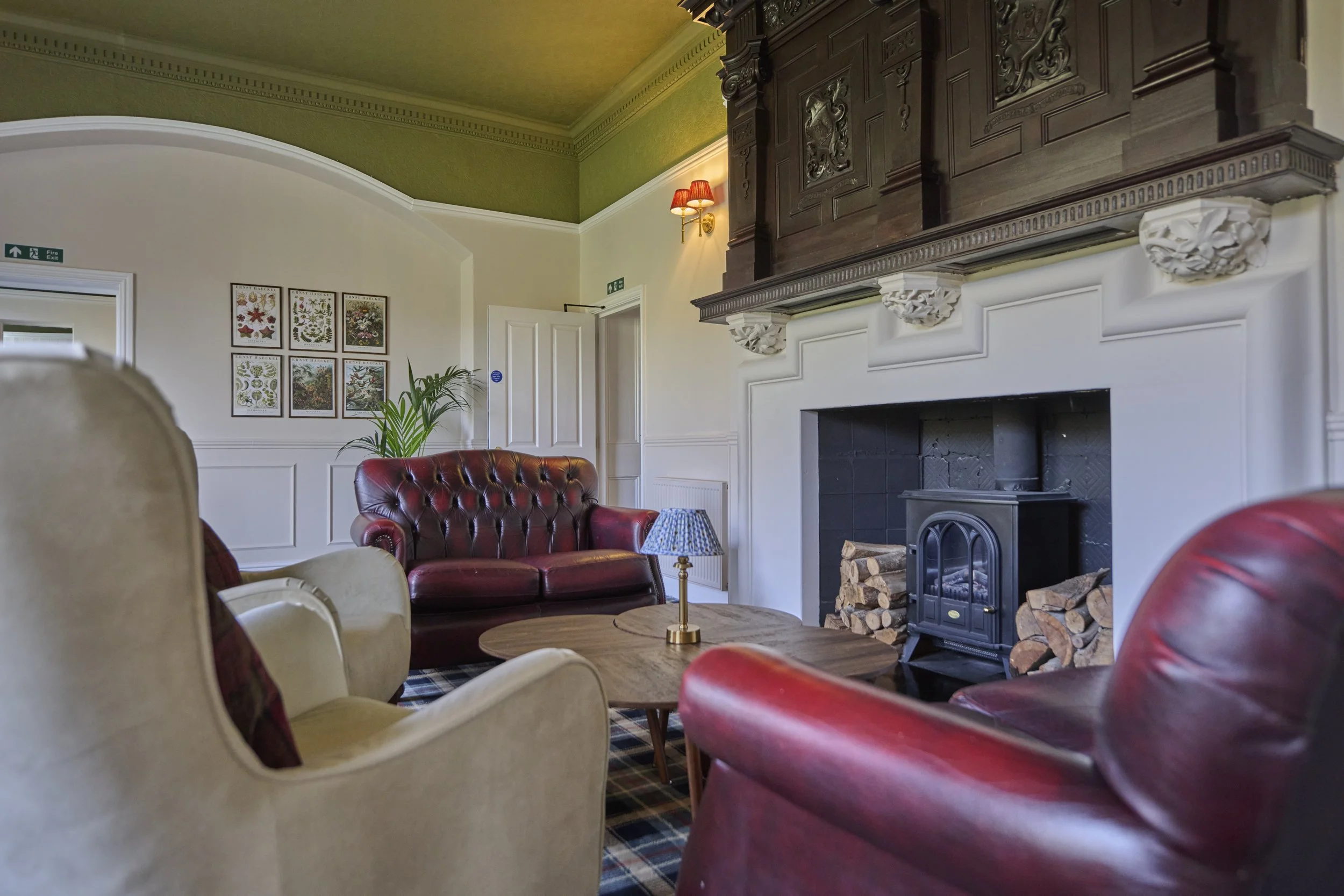
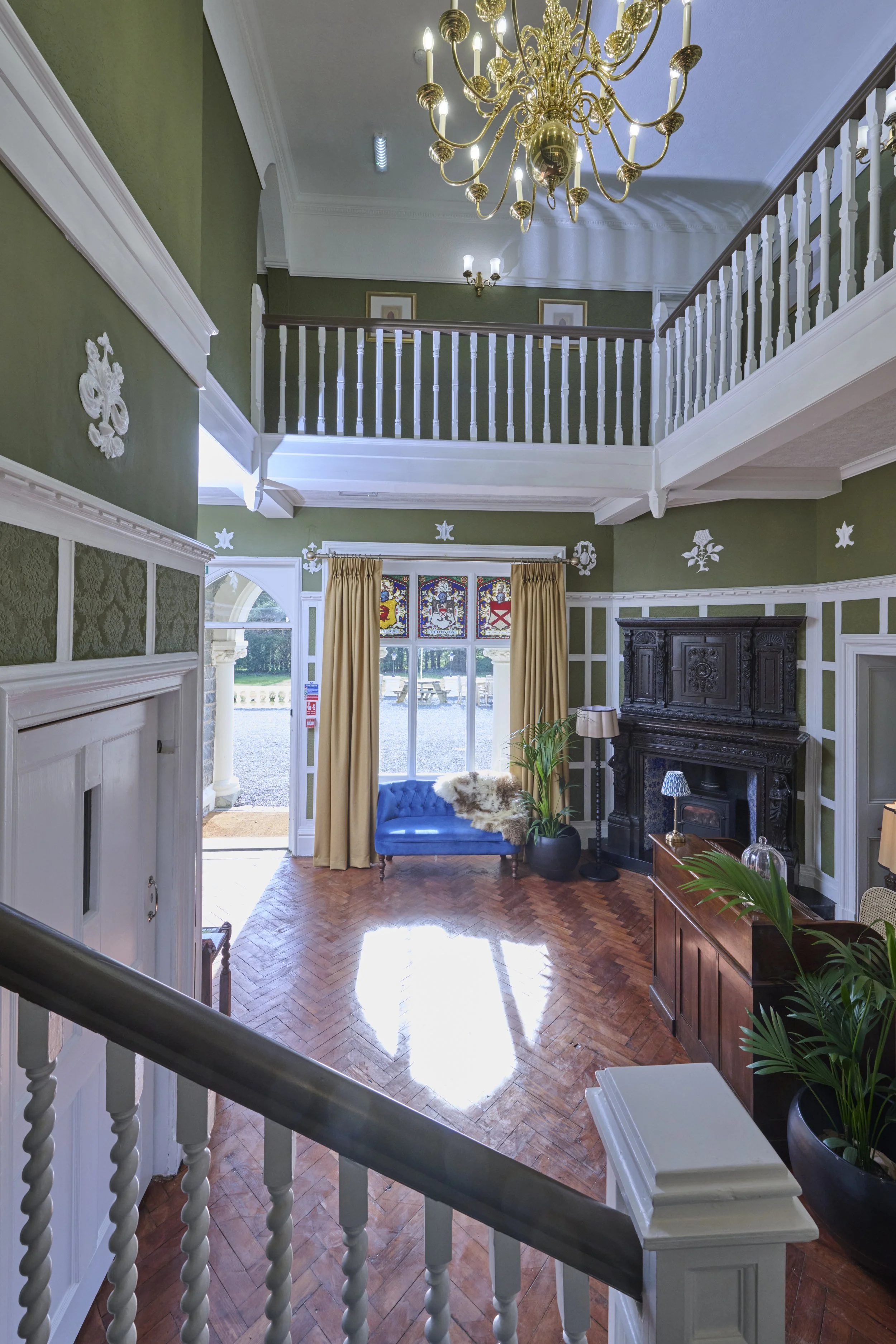
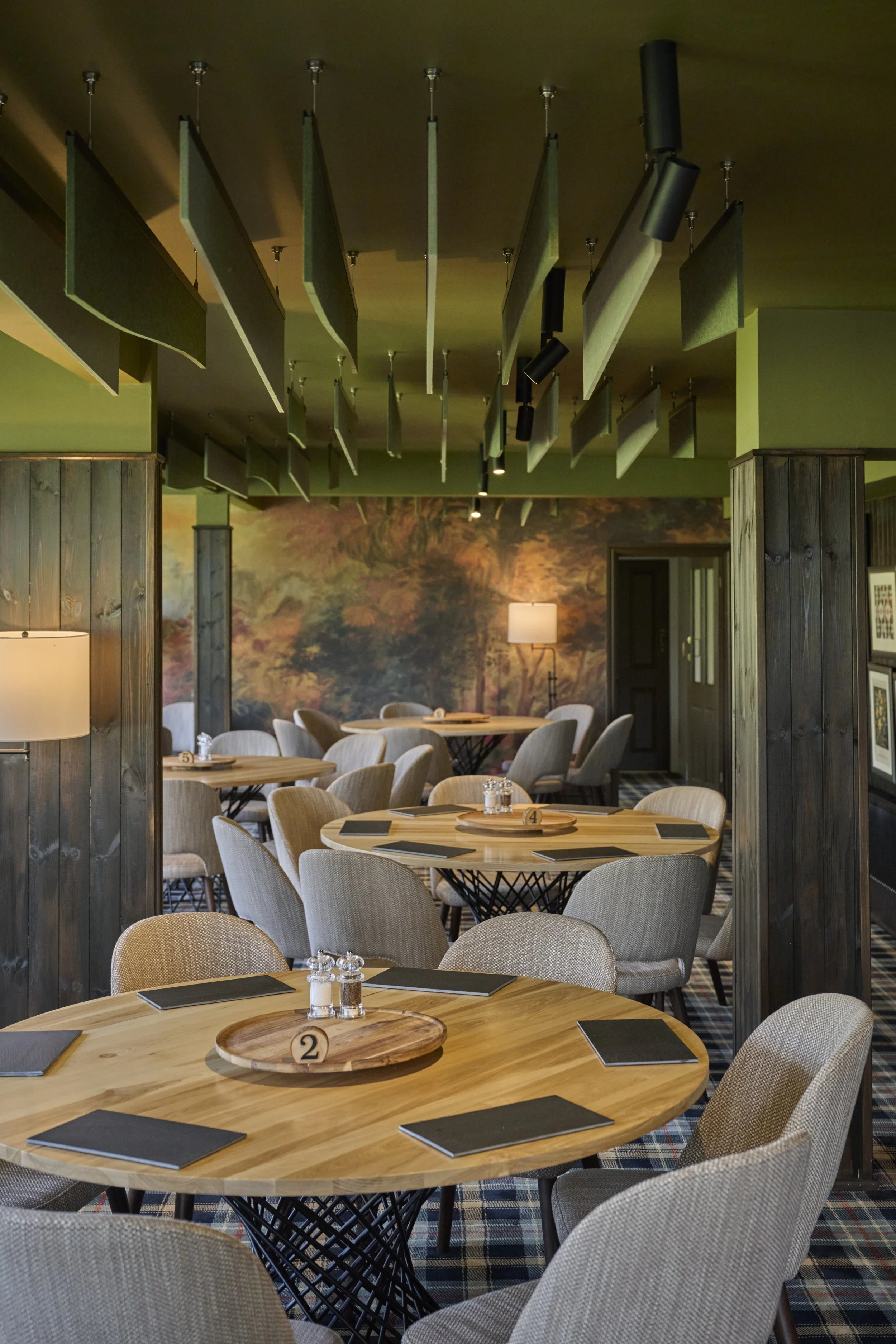
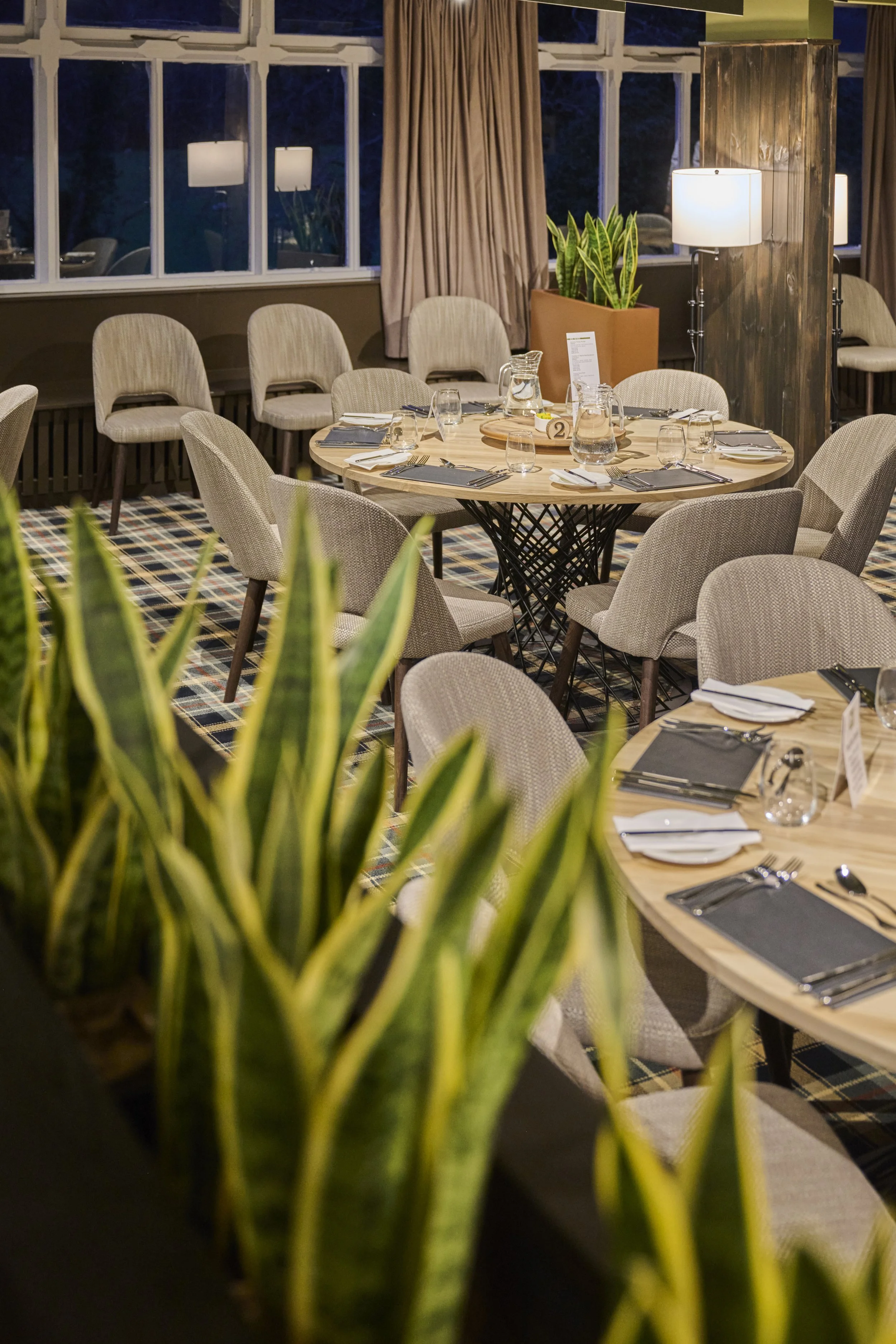
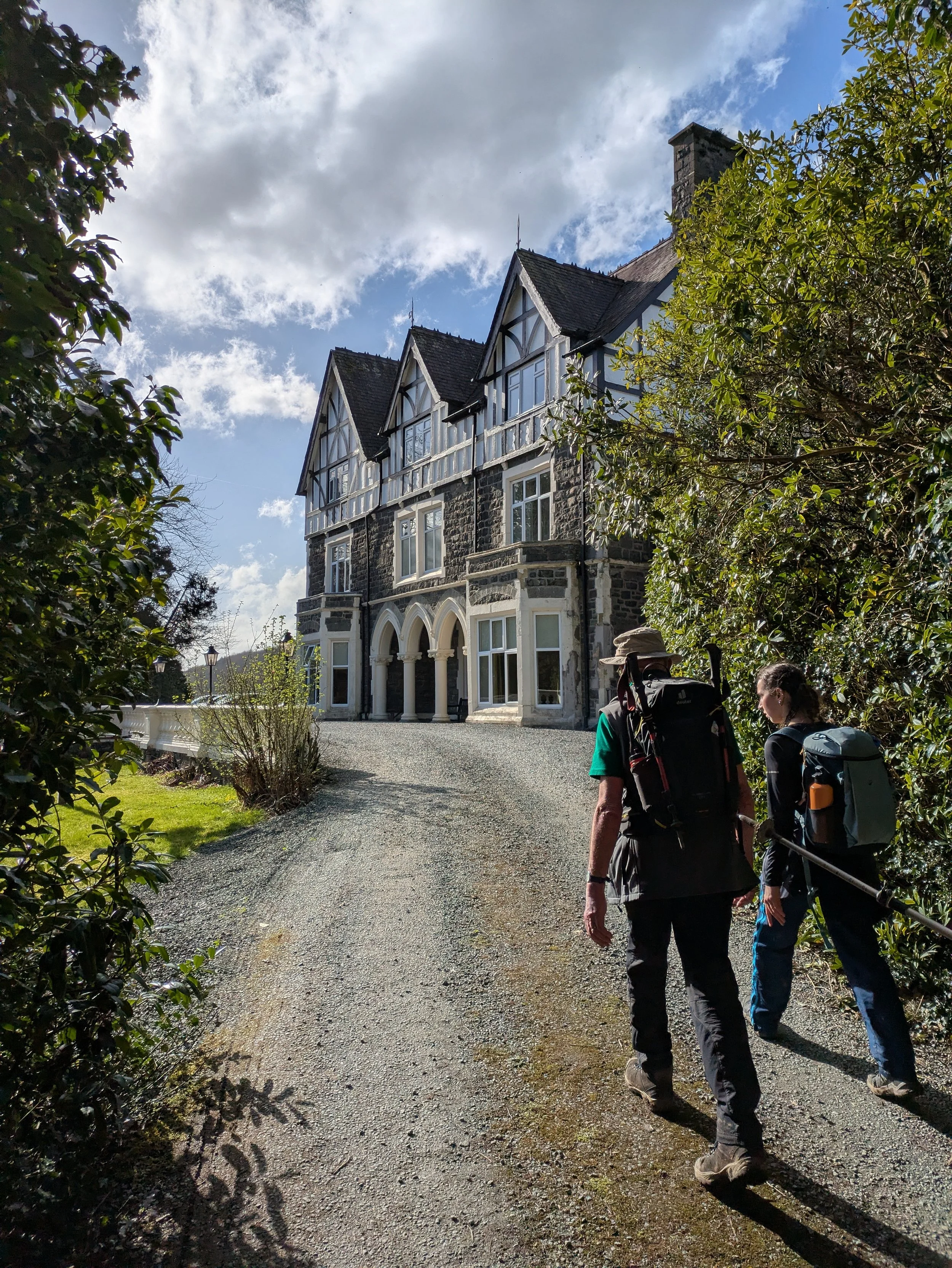
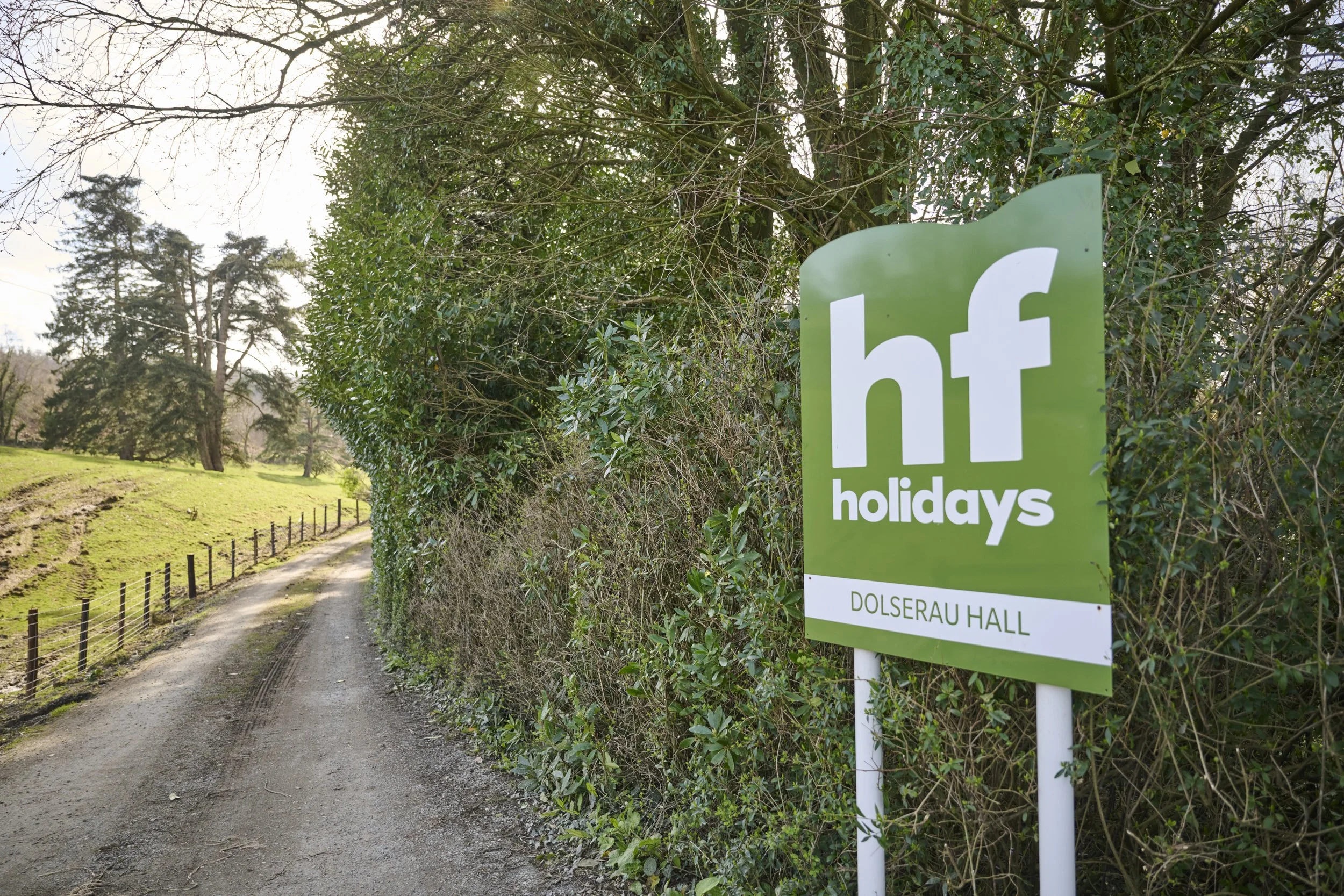
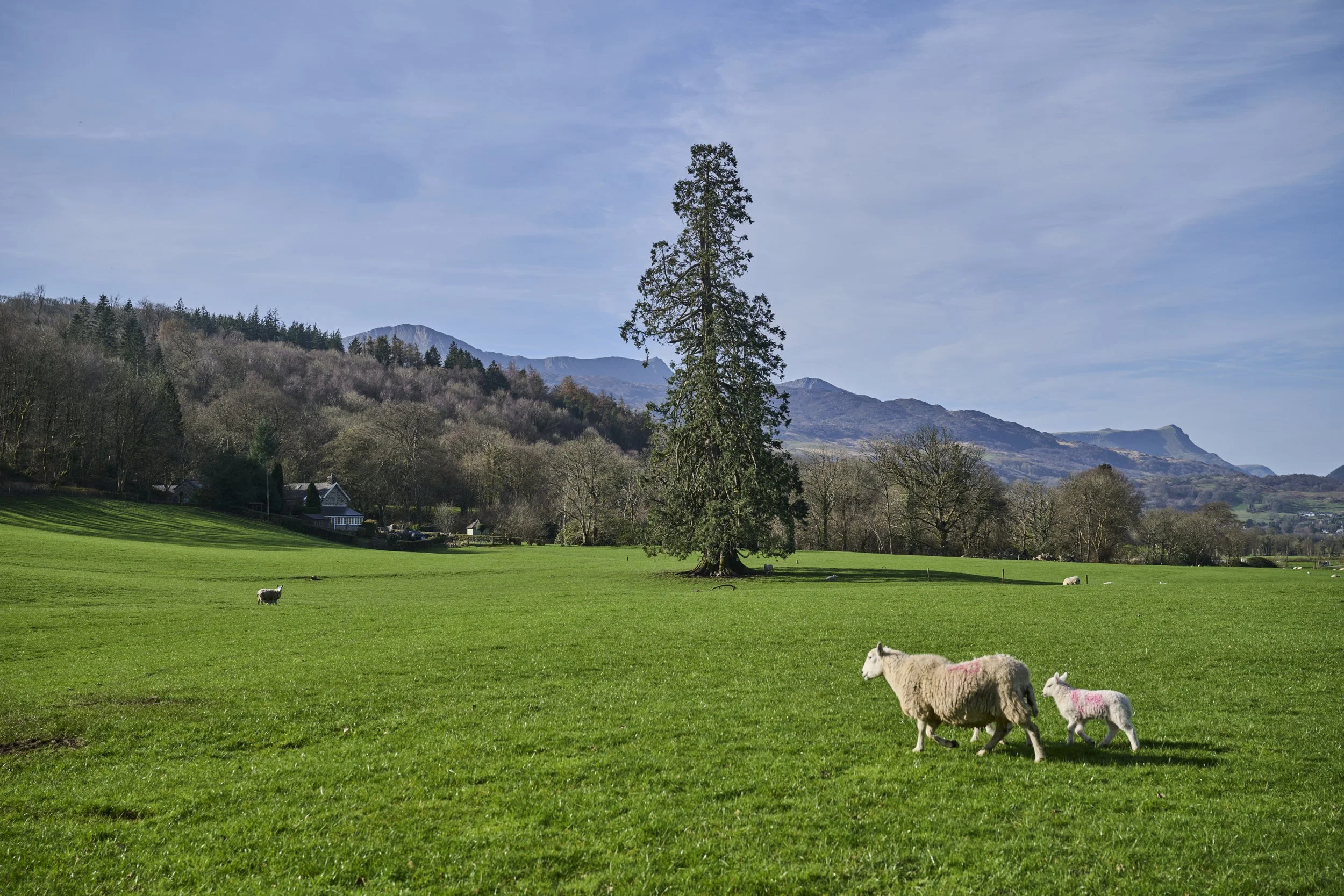
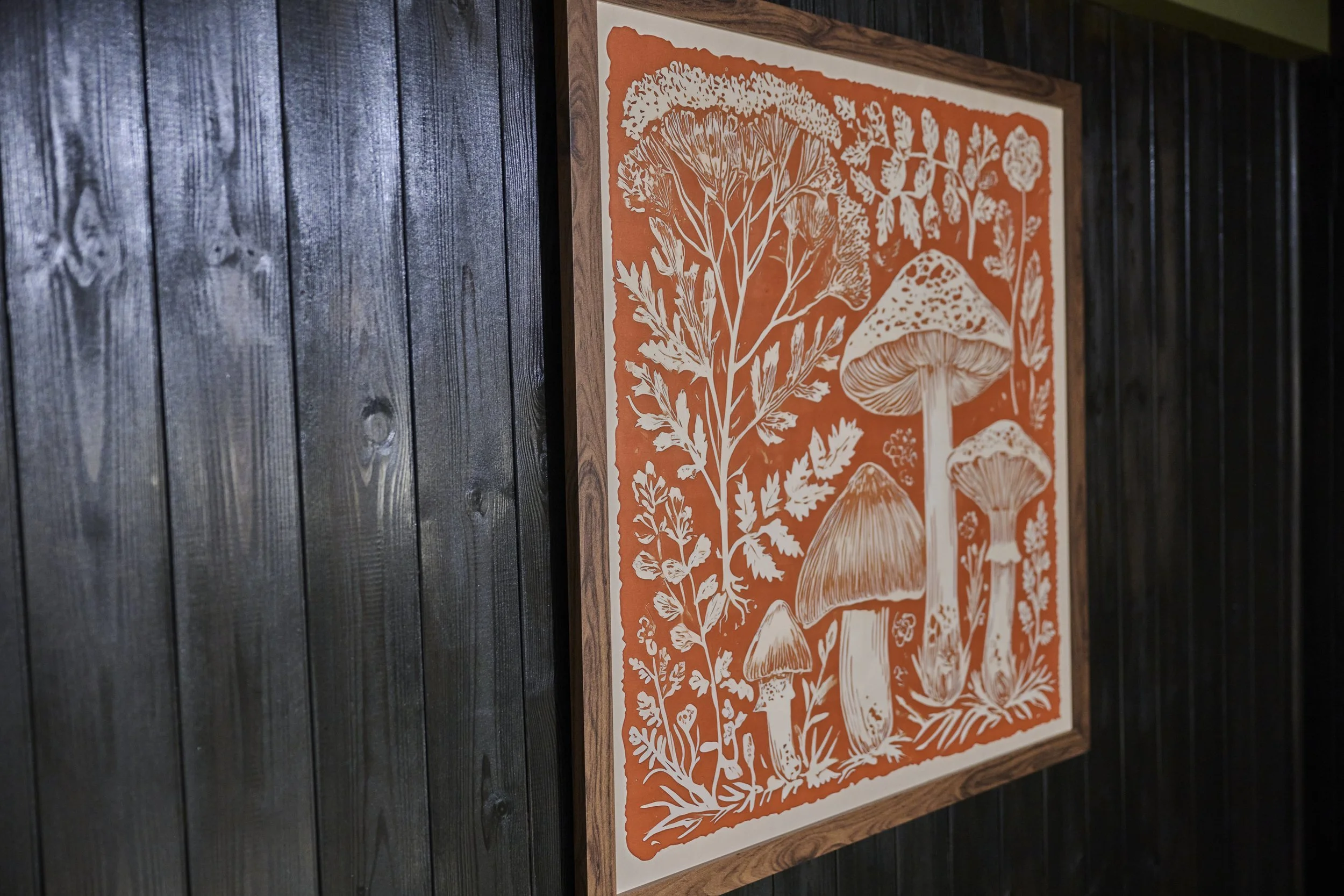
Photo credits: Matt Bird Photography/ HF Holidays
“It has been a real pleasure to be part of a project that places people before aesthetics. At Dolserau Hall, the interiors are designed to be one step ahead of the guest, pre-empting their needs and creating meaningful opportunities for connection with nature and each other the moment they arrive.”